


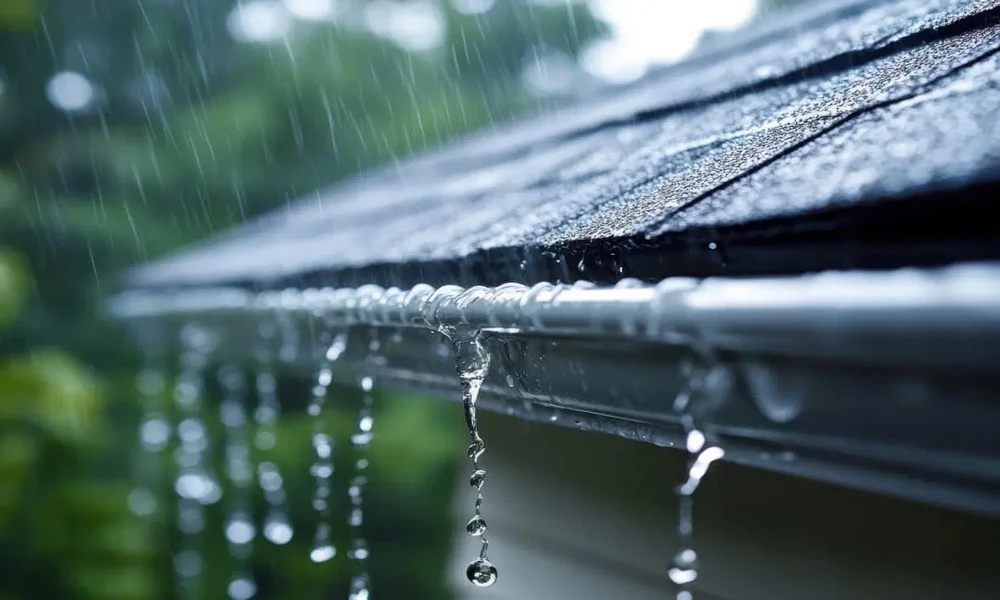
Few parts of the country put a roof through as much as eastern Pennsylvania. Summer heat can push attic temperatures past 120°F, autumn storms bring wind and falling debris, and winter alternates between snow, sleet, and thaw. A roof here works hard in every season, and it ages differently than one in a mild climate.
Knowing how local conditions affect roofing materials makes you a better-informed homeowner when it’s time to repair or replace. A trusted roofing company in Lehigh Valley will tell you that regional weather, older housing stock, and ventilation habits matter as much as the shingles themselves. This guide explains what the climate does to a roof, which problems show up most often, and how to make smart decisions.
Many homes in Allentown, Bethlehem, Easton, and the surrounding boroughs are decades old, and some are more than a century old. That means a mix of roof shapes, framing styles, and past repairs, which makes a careful inspection more valuable than a quick glance.
What Four Seasons Do to a Roof
Each season stresses roofing materials in a different way:
- Winter: Snow load, ice dams, and repeated freezing and thawing.
- Spring: Heavy rain exposes leaks and flashing failures that winter created.
- Summer: UV radiation and heat dry out shingles and strain attic ventilation.
- Fall: Wind, falling leaves, and clogged gutters set up the next winter’s problems.
The biggest culprit is the freeze-thaw cycle. Water works its way into small cracks, freezes, expands, and widens the gap. Repeat that dozens of times a winter and a hairline flaw becomes a leak.
Ice Dams: The Winter Problem to Understand
Ice dams form when heat escaping from the living space warms the roof deck, melting snow on the upper roof. The meltwater runs down to the cold eaves, refreezes, and builds a ridge of ice. Water then backs up under shingles and into the attic or walls.
The fix is rarely just a roofing product. It usually comes down to three things:
- Air sealing: Closing gaps around attic hatches, wiring, and light fixtures so warm air stays in the living space.
- Insulation: Adding enough attic insulation to keep the roof deck cold.
- Ventilation: Letting cold air flow along the underside of the roof so snow melts evenly or not at all.
Treating the symptom with heat cables or roof raking helps in the short term, but the lasting solution is controlling heat loss from inside the house.
Choosing a Roofing Material
Climate, budget, and the structure itself all influence the best material. Here is a general comparison:
| Material | Typical Lifespan | Cold-Climate Notes |
|---|---|---|
| Asphalt shingles | 15-30 years | Affordable and common; choose impact- and wind-rated products |
| Standing-seam metal | 40-70 years | Sheds snow quickly; may need snow guards above walkways |
| Slate | 75-100+ years | Exceptional durability; heavy and requires specialized skill |
| Synthetic slate or shake | 30-50 years | Lighter than the real thing, with a similar look |
| Flat-roof membranes (EPDM, TPO) | 20-30 years | Common on rowhomes and additions; seams need regular checks |
Many older local homes have slate or cedar roofs. These can often be repaired rather than replaced, but only by someone experienced with the material.
Warning Signs Worth Checking Twice a Year
A short inspection each spring and fall catches most problems early. From the ground, with binoculars if needed, look for:
- Curled, cracked, or missing shingles
- Dark streaks, moss, or heavy granule loss in gutters
- Rusted, lifted, or sealant-stained flashing near chimneys and vents
- Sagging rooflines or uneven patches
- Water stains, peeling paint, or musty smells in the attic and upper ceilings
Inside the attic, check for damp insulation, daylight through the deck, and frost on the underside of the roof in winter. Frost usually signals a ventilation or air-leak problem.
Repair or Replace? A Quick Framework
Not every problem requires a new roof. These general rules help:
Repair is usually reasonable when:
- Damage is limited to a small area
- The roof is under about 15 years old (asphalt)
- The decking underneath is dry and solid
Replacement deserves serious thought when:
- Leaks keep appearing in different places
- Shingles are brittle, curling widely, or shedding granules heavily
- The roof is near or past its expected lifespan
- Multiple earlier repairs have been layered on
Ask for photos of any problems found. A good inspector should be able to show you exactly what they see.
How to Vet a Contractor
Roofing is a high-cost project, and choosing the wrong contractor can be expensive. In Pennsylvania, contractors who do home improvement work above a certain threshold are generally required to register with the state. The Attorney General’s office explains what homeowners should know in its guidance on home improvement contractors in Pennsylvania, including registration, written contracts, and consumer rights.
- Confirm liability insurance and workers’ compensation coverage.
- Collect at least three written estimates that itemize materials, labor, and cleanup.
- Read warranty terms carefully, separating manufacturer coverage from workmanship coverage.
- Check recent local references and reviews.
- Be cautious of pressure to sign immediately or pay large sums upfront.
For a sense of what quality installation looks like, the National Roofing Contractors Association publishes industry standards and homeowner resources that cover best practices for materials and workmanship.
Smart Maintenance Habits
Small routines extend roof life considerably:
- Clean gutters in late fall and again in spring so water drains freely.
- Trim branches that overhang or scrape the roof.
- Remove heavy debris, but avoid walking on the roof when it’s wet, icy, or steep.
- Keep soffit and ridge vents clear so air can move through the attic.
- Schedule a professional inspection after major storms or heavy snow.
Questions Homeowners Often Ask
Does the time of year matter for installation?
Late spring through early fall offers the most reliable conditions, since shingle sealant bonds best in warm weather. Emergency repairs, of course, can’t wait.
How long does a typical residential roof replacement take?
Many asphalt roofs are completed in one to three days, weather permitting. Complex or historic roofs take longer.
Will a new roof lower my energy bills?
It can help, especially when paired with better attic insulation and ventilation, but the roof is only one part of a home’s energy performance.
The Bottom Line
A roof’s lifespan depends less on any single product than on the match between materials, climate, installation quality, and upkeep. In a region with real winters and humid summers, controlling attic heat and moisture is just as important as choosing durable shingles.
Take twenty minutes this weekend to walk your property, look at the roofline, and peek into the attic. Catching a small issue now is almost always cheaper than dealing with a ceiling collapse after the next big storm.
