


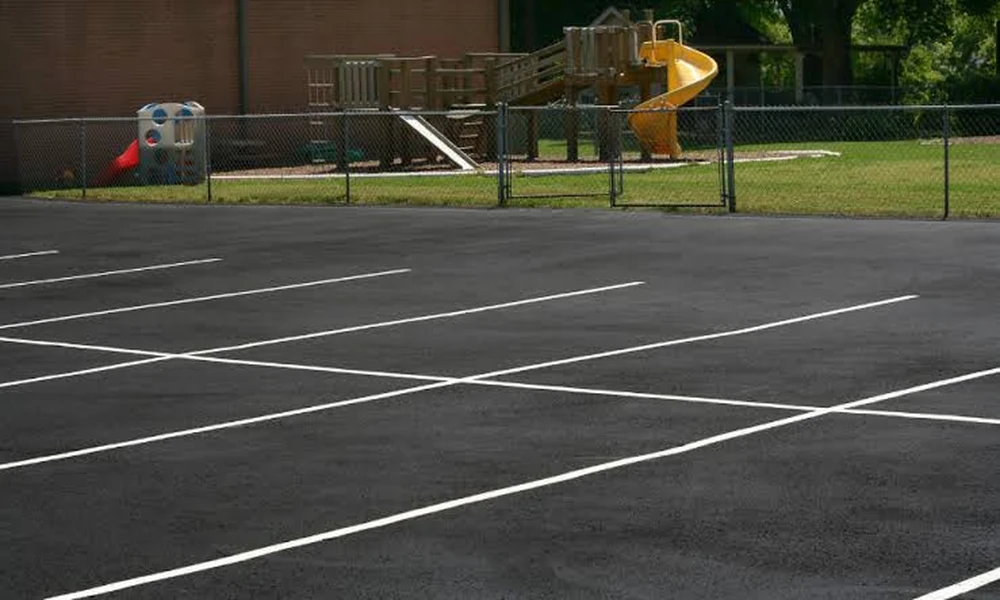
When Line Visibility Disappears, So Does Order
Parking lots and roadways rely on a layer of paint that most people never think about until it wears away. Once those lines fade, drivers lose the visual cues that keep traffic moving in predictable patterns. Cars drift into two spots instead of one, pedestrians cross in unmarked zones, and fire lanes become indistinguishable from regular parking. The result is not just inconvenience; it becomes a liability issue that property managers and business owners cannot ignore for long.
Faded striping tends to get worse gradually, which is part of why it goes unaddressed. A lot that looked fine in spring can look chaotic by the time winter salt and sun exposure have done their work. By the time someone files a complaint or an insurance adjuster notices a near-miss incident, the damage to a property’s reputation has already started. Accessibility compliance also suffers, since worn ADA markings and faded directional arrows can put a business out of step with regulations it was previously meeting without issue.
Insurance carriers and municipal inspectors are paying closer attention to these details than they did even a few years ago. A single incident tied to confusing traffic flow or a missing accessible space can trigger scrutiny that extends well beyond the immediate complaint. Property owners who treat striping as a cosmetic afterthought often discover, too late, that it carries real legal and financial weight.
Matching the Right Striping Method to the Surface and Traffic Load
Addressing worn markings is not as simple as repainting over old lines. The surface condition, climate, and amount of daily traffic all influence which paint type and application method will actually hold up. Asphalt that sees heavy truck traffic needs a different approach than a quiet suburban office lot, and ignoring that distinction often means redoing the work within a year. Contractors who specialize in this work typically start with an assessment of the existing surface before recommending a product, since paint applied to a cracked or oil-stained lot rarely bonds the way it should.
This is where working with an experienced striping crew makes a measurable difference in outcomes. Companies like Rocky Mountain Striping approach each job by evaluating layout needs alongside surface conditions, rather than applying a one-size-fits-all solution across every property. That kind of attention matters most in lots with irregular shapes, shared access points, or ADA requirements that need to be mapped out precisely before any paint goes down. A rushed job might look acceptable for a few weeks, but the lines that hold up through a full season of weather and traffic come from crews that plan the layout with intention.
Timing also plays a bigger role than most property owners expect. Striping applied in the wrong temperature or humidity range can fail prematurely, leaving a property right back where it started within months. Scheduling the work during a stretch of dry, moderate weather extends the life of the paint considerably and protects the investment a business just made in its own parking lot. Altitude and seasonal swings common to mountain regions add another layer of consideration, since paint cure times can shift significantly depending on elevation and overnight temperature drops.
What to Ask Before Hiring a Crew for Your Lot or Facility
Not every striping contractor approaches the work with the same level of care, so a few questions upfront can save a property owner from repeating the project sooner than expected. Asking about the type of paint used, whether it is designed for the regional climate, and how long the crew expects the lines to last are reasonable starting points. A contractor who can speak specifically to drying times, reflectivity standards, and layout compliance is generally one who has done this work long enough to understand the variables involved.
It also helps to ask how a company handles unexpected site conditions, like cracked pavement or drainage issues discovered mid-project. Crews that flag these problems before painting over them tend to deliver results that last, while those that skip straight to application are setting up a return visit down the road. Checking for experience with ADA-compliant layouts is particularly important for commercial properties, since non-compliant markings can create legal exposure beyond the cosmetic issue of faded paint.
Cost comparisons matter too, but the lowest bid is not always the better value once repaint frequency is factored in. A slightly higher upfront cost for quality materials and a careful layout process often works out cheaper over a three or four year span than repeatedly hiring the cheapest available option. Property owners who think in terms of total cost over time, rather than the invoice for a single job, tend to end up with lots that stay clearly marked and genuinely safer for everyone using them. Asking for references from similar properties, particularly ones with comparable traffic patterns or climate exposure, gives a clearer picture of how a contractor’s work actually holds up once the trucks and seasons start rolling through.
