


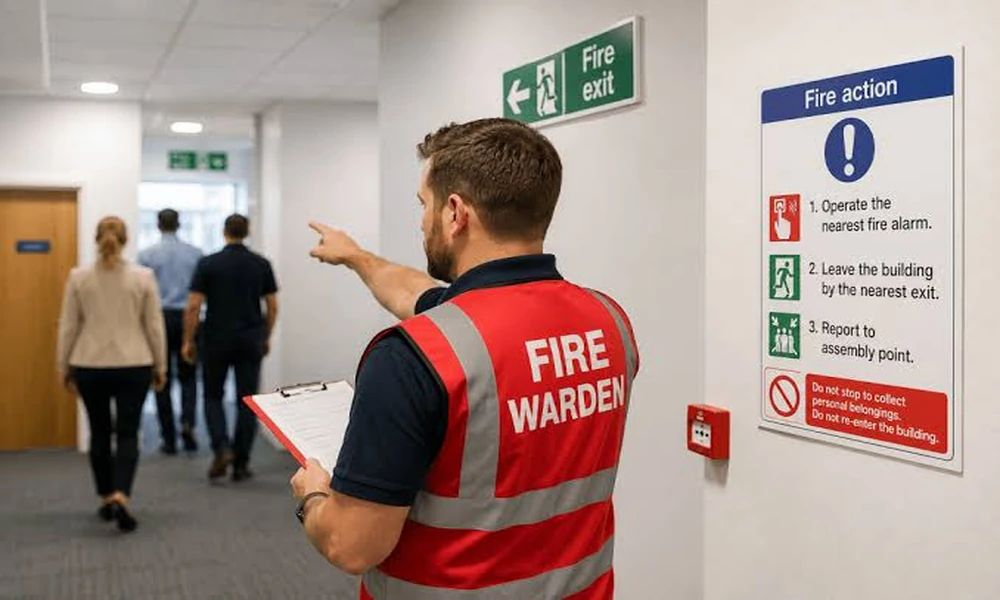
Maintaining a reliable fire watch operation requires effective resource staging. Personnel must have quick access to critical supplies when hot work is being done, fire prevention systems are momentarily unavailable, or unexpected site circumstances raise the risk of ignition. A well-thought-out staging strategy keeps work areas structured while ensuring that safety supplies, communication equipment, and other necessary resources are placed in easily accessible locations.
For sites facing sudden equipment failures, elevated ignition risks, or other urgent conditions, having a clear plan for rapid deployment is especially important. Businesses may need emergency fire watch Glendale coverage to maintain continuous observation while hazards are assessed and normal fire protection measures are restored. Preparing personnel, communication tools, protective equipment, and other essential resources in advance can help reduce response delays and keep the site organised during an unexpected situation.
2. EVALUATING THE WORKSITE
Assessing the region that needs fire watch coverage should be the first step in resource staging. Hot work locations, adjacent flammable items, access points, emergency exits, and potentially challenging-to-monitor places should all be taken into account by supervisors. How many resources are required and where they should be located may be determined by the size and design of the workspace. Staging areas should continue to be accessible without obstructing regular business operations.
3. POSITIONING COMMUNICATION RESOURCES
When a fire watch crew detects a developing threat, effective communication is crucial. In accordance with site protocols, radios, phones, alarms, or other authorised communication devices should be accessible. Before work starts, devices should be inspected, and staff members should know who to call in the event of an issue. Whenever possible, a backup communication channel should be found in case the main system malfunctions.
4. ORGANISING FIRE SAFETY EQUIPMENT
Appropriate fire protection equipment should be easily available in situations where ignition dangers exist. The task being done, the materials used, and workplace protocols will determine what kind of equipment is needed. Equipment should be kept uncluttered and well-marked. Before an emergency arises, fire watch personnel should be aware of its location as well as their duties and restrictions.
5. MANAGING PROTECTIVE EQUIPMENT
When gathering materials for a fire watch duty, personal protective equipment should also be taken into account. Employees may need protective gear, such as gloves, helmets, eye protection, appropriate footwear, or other site-approved equipment, depending on the environment. Before the assignment begins, PPE should be provided and inspected for obvious damage. Employees may carry out their responsibilities while minimising needless exposure to workplace risks when they are well prepared.
6. KEEPING EMERGENCY ROUTES OPEN
Resources that are staged shouldn’t ever produce new risks. Emergency exits, walkways, access points, and routes required by emergency responders cannot be obstructed by equipment, wires, containers, or other supplies. During an evacuation, it is extremely crucial to keep certain areas free. Instead of limiting emergency mobility, a well-thought-out staging structure should facilitate it.
7. CONCLUSION
Effective resource staging supports a safer and more organised response to fire-related hazards. By assessing the worksite, positioning communication and safety resources carefully, maintaining clear emergency routes, and preparing for extended monitoring, organisations can reduce avoidable delays. Regular pre-shift checks also help ensure that essential resources remain ready for use. A practical staging strategy allows fire watch personnel to focus on their primary responsibility: detecting hazards promptly and following established emergency procedures.
