


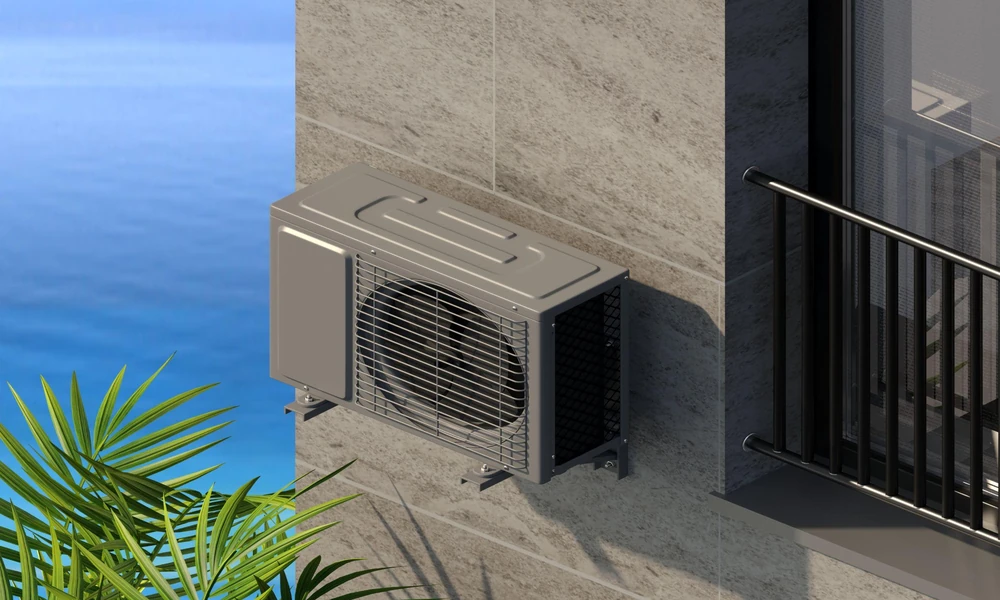
An aircon compressor doesn’t become dangerous the day it’s installed. It becomes dangerous gradually, years later, as vibration loosens hardware and humid coastal air quietly corrodes a bracket that looked perfectly solid when it first went up. By the time anyone notices, the warning signs have usually been there for a while.
This slow timeline is exactly what makes the problem so easy to overlook, since nothing about a newly installed unit gives any hint of how it will hold up several years down the line.
The Timeline Nobody Watches Closely Enough
A newly installed bracket is rarely the problem. The risk builds over four to six years, roughly the point where compressor bearings start to wear, vibration increases, and hardware that was torqued correctly on day one gradually works itself loose. Singapore’s humidity and salt air accelerate this further, particularly on brackets that weren’t built from the right grade of stainless steel to begin with.
None of this is visible during a quick glance from the ground, which is exactly why so many households only think to check once a neighbour mentions a noise complaint or a technician flags it during a routine service.
Why This Isn’t Really About the Aircon Unit Itself
Compressor units themselves rarely fail catastrophically without warning. What actually gives way, in the cases that make the news, is almost always the bracket or the anchoring supporting it, not the appliance sitting on top of it. This is exactly why the installation itself matters as much as the unit being installed, since even an excellent aircon system is only as secure as what’s physically holding it to the wall.
What Proper Installation Actually Involves
Correct bracket grade, precise bolt torque, and centred load distribution across the wall structure all matter considerably more than most homeowners realise when comparing quotes. Experienced air conditioning installers follow specific structural guidelines for exactly this reason, since a bracket that looks fine on installation day can still be quietly under-engineered for the years of vibration and weather it’s about to face.
These details rarely show up in a quick visual comparison between quotes, which is part of why price alone is such an unreliable way to judge installation quality.
Early Signs a Bracket Deserves a Closer Look
A handful of warning signs tend to appear well before anything becomes a genuine hazard:
- Rattling or metal-on-metal noise coming from the outdoor unit that wasn’t there before.
- Visible rust or corrosion forming on the bracket or its mounting bolts.
- Noticeably increased vibration felt through the wall near the unit.
- Water stains or streaking on the wall beneath the compressor.
Why HDB Installations Specifically Need Extra Care
Public housing in Singapore comes with its own specific structural and regulatory requirements, covering bracket materials, permitted mounting locations, and load limits tied to the building’s design. Proper HDB aircon installation accounts for these rules directly, rather than applying a generic approach that happens to work for landed properties or commercial buildings with different structural considerations entirely.
Height also changes the stakes considerably. A bracket failure on a ground floor unit is a very different situation to one many storeys up, which is exactly why HDB regulations around this are as specific as they are.
Why Cutting Corners Here Rarely Saves What It Seems To
A cheaper installation quote sometimes reflects genuinely competitive pricing, and sometimes reflects a lower-grade bracket or a shortcut on mounting hardware that won’t show up as a problem for several years. By the time the difference becomes visible, through vibration, noise complaints, or a rectification order, the original savings have usually been outweighed many times over by the cost of redoing the work properly.
Redoing a poor installation almost always costs more than doing it properly the first time, since it typically involves removing the old bracket entirely, reworking the wall anchoring, and reinstalling from scratch rather than a simple adjustment.
A compressor bracket is one of those details that only gets attention when something’s already gone wrong with it. Getting it right the first time, with the correct materials and proper technique, is a considerably smaller ask than fixing it after years of quiet wear have already done their damage.
The unit itself gets all the attention when choosing an aircon. The bracket holding it to the wall deserves at least as much scrutiny, particularly for anyone planning to keep the unit installed for the better part of a decade.
Want your installation checked by someone who takes the bracket as seriously as the aircon itself? Contact Heng Aircon to arrange a proper site assessment.
