


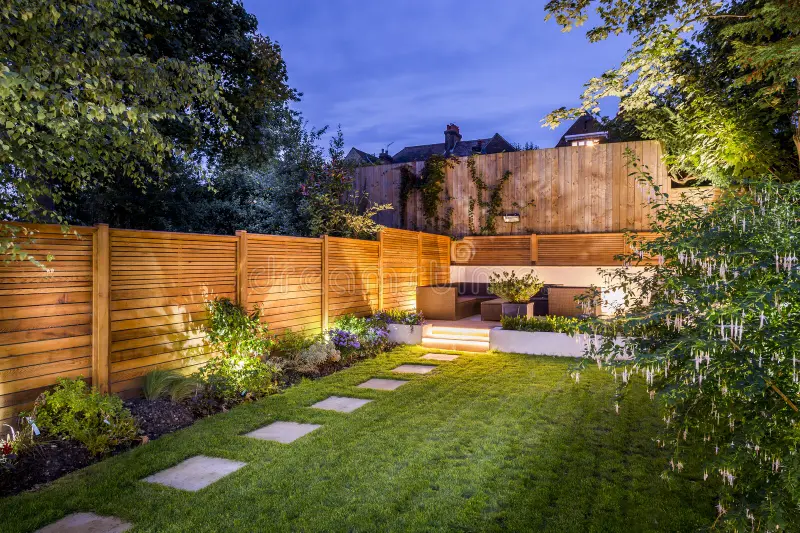
Not long ago, fencing sat at the bottom of most renovation lists. Kitchens came first. Bathrooms followed. Flooring, plastering, decorating. The garden, and especially the boundary, was often left until the very end, if it was considered at all. That has changed. Across York, I am seeing more homeowners include fencing as part of their main renovation budget rather than an afterthought. People are now searching for fencing companies near me at the same time they are planning interior work. Many begin by exploring complete fencing services in York because they want the outside of the property to match the standard of what they are doing inside.
After decades working as a fencing contractor, I can say this shift reflects how homes are being used. Gardens are no longer separate spaces. They are extensions of the home. When that mindset changes, the boundary becomes part of the renovation.
Why the garden is no longer secondary
One thing I see often on local jobs is homeowners investing heavily in their interior, then stepping outside and realising the garden does not match.
Fresh plaster, new kitchens, modern lighting. Then a fence that leans, rattles, or shows years of wear.
It breaks the flow.
As soon as the inside improves, the outside becomes more noticeable. That is when fencing moves up the priority list.
Outdoor living has changed expectations
Gardens are used far more than they used to be. Seating areas, outdoor dining, garden offices, and play spaces all rely on a well-defined boundary.
Fencing is no longer just about marking the edge. It shapes how the space feels.
A strong, straight fence creates a sense of enclosure. It makes the garden feel like a usable room.
A weak or uneven fence does the opposite. It makes the space feel unfinished.
Renovation budgets now include external structure
Homeowners are starting to plan holistically. Instead of treating fencing as a separate job, they include it in the main project.
This allows for better decisions.
Materials can be chosen to match the overall style. Installation can be timed with landscaping work. Access can be coordinated.
It also avoids the situation where a new patio is installed next to an old fence that then needs replacing.
Clay soil in York influences planning decisions
York’s clay soil makes long term planning important.
Clay holds water and moves with the seasons. This affects fence stability more than most homeowners realise.
I usually install posts at around 600mm to 750mm depth to anchor below the most active layer. Older fences are often much shallower.
When homeowners are already renovating, it makes sense to address these issues properly rather than patching them later.
Why repeated repairs no longer appeal
Homeowners are less willing to accept ongoing repairs.
In the past, small fixes were seen as part of ownership. Now they are viewed as inconvenience.
Searching for fence repair near me once may be fine. Doing it every couple of years becomes frustrating.
Including fencing in a renovation budget allows for a more permanent solution.
The cost comparison is changing
Initial cost still matters, but more homeowners are looking at cost over time.
Replacing panels, resetting posts, and dealing with recurring issues adds up.
Composite fencing cost, for example, may be higher upfront, but it reduces maintenance and extends lifespan.
Concrete posts offer similar long term benefits by removing the risk of rot at ground level.
These comparisons are easier to make when fencing is part of a planned budget rather than an emergency expense.
Design consistency across the property
Modern renovations focus on consistency. Materials, colours, and lines are considered carefully.
Fencing plays a large role in this. It frames the garden and connects it visually to the house.
One thing I see often is homeowners choosing fencing styles that complement new patios or cladding.
This approach creates a more cohesive result.
Why installation quality matters more in renovation projects
When fencing is part of a renovation, expectations are higher.
Homeowners expect straight lines, consistent levels, and long term stability.
That means installation quality becomes critical.
Post depth, drainage, and alignment all need to be correct from the start.
Cutting corners undermines the entire project.
Drainage and ground preparation are now part of the conversation
Good renovation planning includes what happens below the surface.
Drainage at the fence line affects both stability and appearance.
If water collects around posts, soil softens. Movement follows.
Including drainage considerations in the initial work prevents problems later.
New build homeowners are driving the trend
Many new build homeowners are upgrading fences within a few years of moving in.
Basic panel systems installed into made-up ground often begin to move early.
When these homeowners start renovating interiors, they include fencing at the same time.
It becomes part of making the property feel complete.
Why privacy is now a renovation priority
Privacy has become more important with increased home working and outdoor use.
Fencing provides screening as well as structure.
Homeowners planning renovations often adjust fence height or design to improve privacy.
This is not about security. It is about comfort.
The role of concrete posts in renovation projects
Concrete posts are increasingly chosen during renovations.
They provide long term stability and reduce maintenance.
They also create a clean, consistent look when paired with modern panels.
Homeowners who have experienced timber post failure often switch during renovation work.
When repairs still fit into renovation plans
Not every renovation requires full replacement.
If a fence is structurally sound, targeted improvements can be enough.
Homeowners reviewing fence repair services may choose to replace specific sections while retaining others.
The key is understanding the overall condition rather than focusing on isolated issues.
Timing fencing with other work
Coordinating fencing with landscaping, patios, or drainage work improves efficiency.
Access is easier. Ground conditions are already being addressed. Materials can be delivered together.
This reduces disruption and avoids reworking areas later.
Exposure and design considerations
Fencing design needs to match the environment.
Solid panels in exposed areas can struggle with wind load. Slatted or hit and miss designs reduce pressure.
Homeowners including fencing in renovation budgets are more likely to consider these factors.
This leads to better long term performance.
Why buyers now expect better boundaries
Even if homeowners are not planning to sell immediately, they are aware of buyer expectations.
A well installed fence supports property value. It signals care and investment.
Including fencing in renovation budgets aligns with this awareness.
The shift from reactive to planned upgrades
The biggest change is mindset.
Fencing is no longer something done when it fails. It is something planned alongside other improvements.
This shift leads to better decisions, better installation, and better outcomes.
How fencing completes a renovation
From decades working across York, it is clear that fencing now plays a central role in how a property feels once renovation is complete.
It frames the garden. It supports privacy. It provides structure.
When done properly, it does not draw attention to itself. It simply works.
That is why more homeowners are including fencing in their renovation budgets. Not as an extra, but as a necessary part of finishing the job properly.
